What landscape design covers
- Front yard curb appeal and foundation plantings
- Backyard beds, borders, and privacy screening
- Shade tree and ornamental tree placement
- Native and low maintenance planting plans
- Replacing old, overgrown shrubs
- Fixing areas where grass will not grow
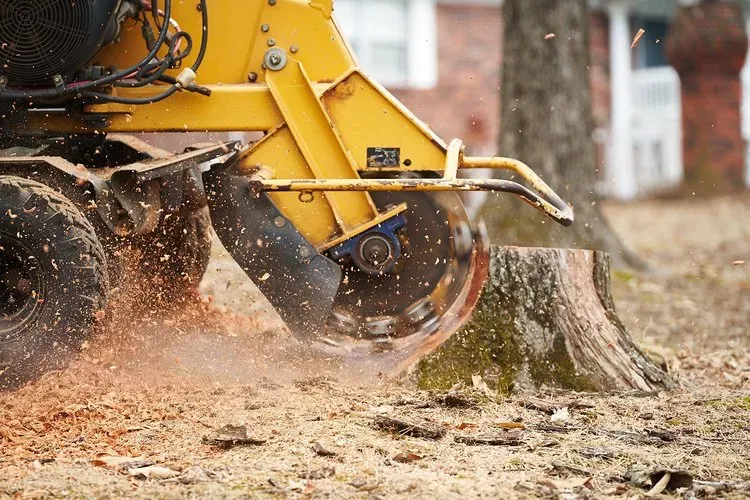
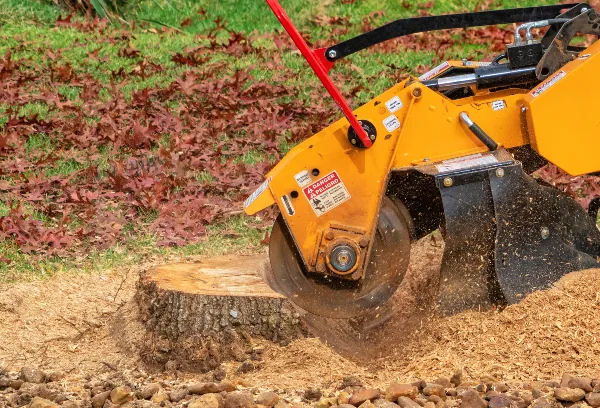
- A plan for the space left after a tree removal
How we design a yard
1. Walk the property
We look at sun and shade through the day, low wet spots, slopes, views you want to hide or show off, and where people and pets actually walk.
2. Talk about how you use it
Kids playing, entertaining, gardening, dogs, or just something neat and easy. Your yard should fit your life.
3. Pick plants that belong here
Most of Will County has heavy clay soil that stays wet in spring and bakes hard in August. We pick plants that handle it, including many native shrubs, grasses, and perennials.
4. Plan for the full grown size
The biggest mistake we see is shrubs and trees planted too close to the house. We space plants for their mature size so they do not swallow windows in five years.
5. Put it in the ground
Our crew can install the whole plan. See landscape installation.
Design ideas that work in our area
Layered foundation beds
Low plants in front, medium shrubs behind, and small trees at the corners of the house. It softens the house without blocking it.
Native plantings
Coneflower, black eyed Susan, little bluestem, prairie dropseed, and native shrubs like ninebark and serviceberry bring color and pollinators with less watering once established.
Rain friendly beds
Low spots that stay soggy can become planted beds with plants that like wet feet, instead of mud that kills the grass.
Shade gardens
Under big trees where grass struggles, a shade bed with hostas, ferns, and native woodland plants often looks far better than thin lawn.
Trees are part of the design
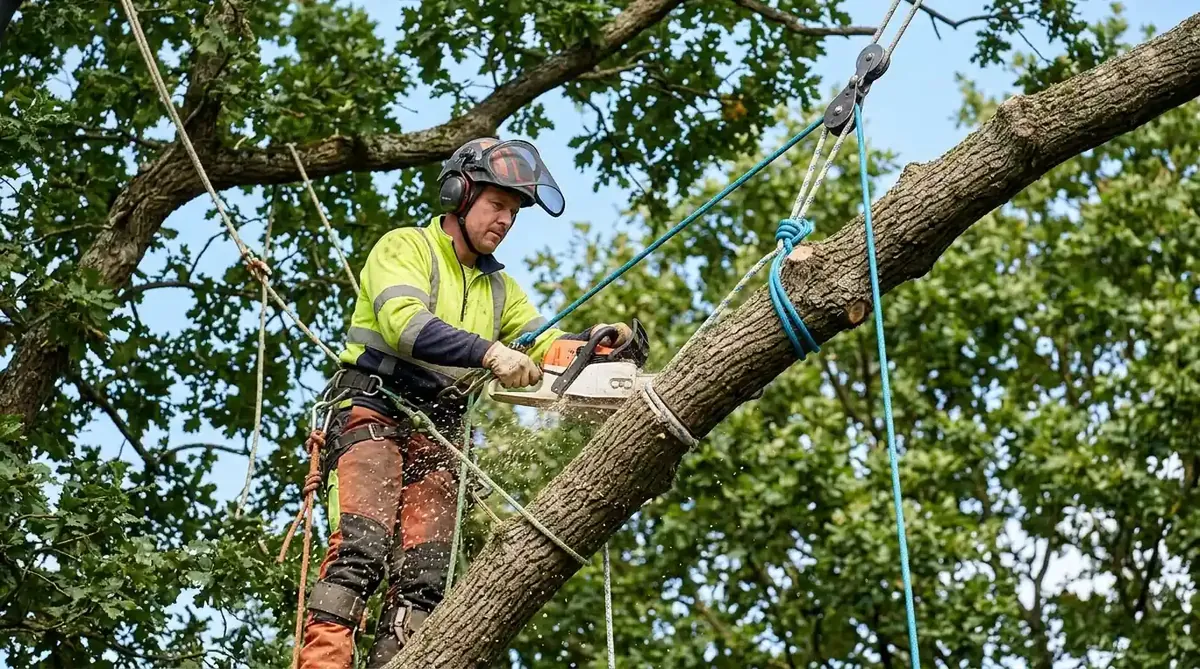
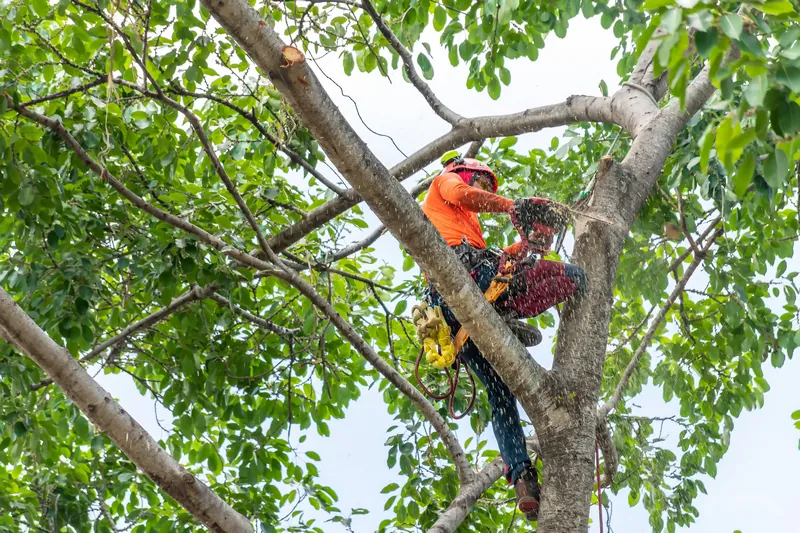
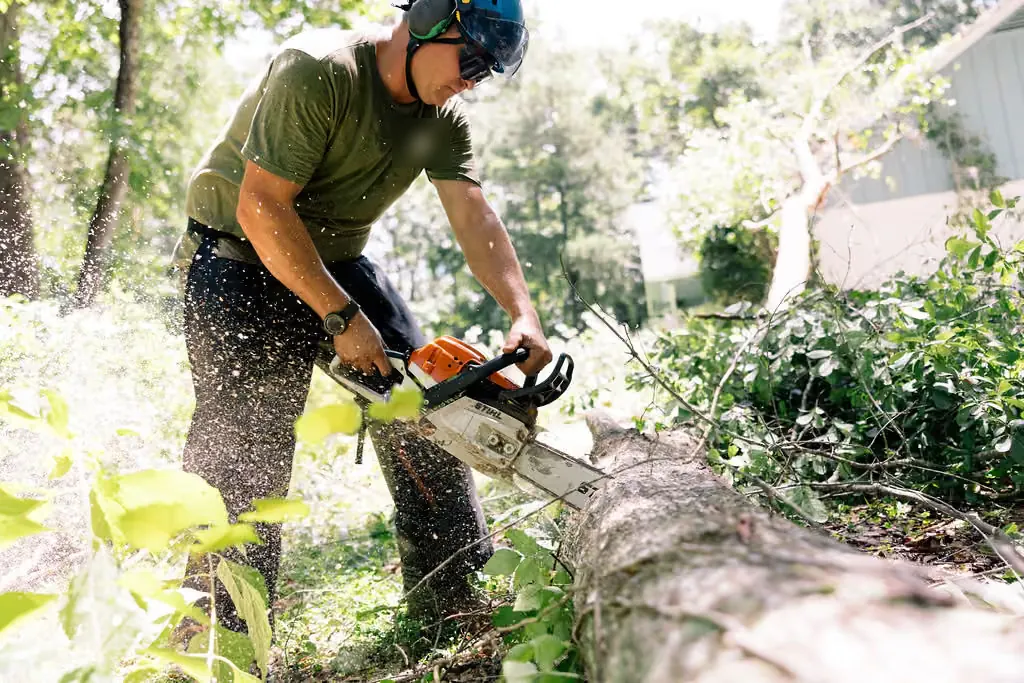
Because we are also a tree company, we look at your trees as part of the plan. Sometimes the best design move is removing a crowded or failing tree, raising the canopy to let in light, or planting a new shade tree in the right spot. Read our Illinois native trees guide for ideas.